Installation Guide for Glazed Flexible Stone Panels
The construction and interior design industries are continually evolving, propelling innovative materials like Glazed flexible Stone to the forefront. This groundbreaking material combines aesthetic appeal with considerable durability, making it an essential choice for modern architectural designs. Glazed Flexible Stone is not just a visually striking option; it addresses various user pain points, such as maintenance costs and installation complexities. This article explores the installation process of Glazed Flexible Stone, its benefits, and the numerous applications it holds in today's market.
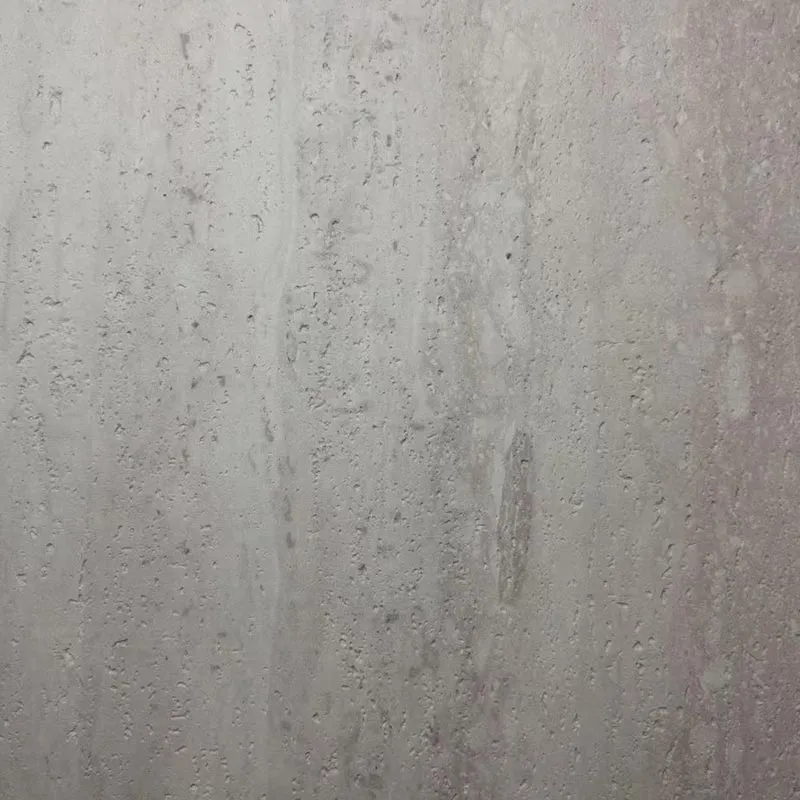
Definition: What is Glazed Flexible Stone?
Glazed Flexible Stone is a composite material designed to mimic the appearance of natural stone while offering the flexibility and lightness that traditional stone cannot provide. It consists of a thin layer of actual natural stone adhered to a flexible backing, making it suitable for a variety of surfaces—from walls to floors. The term "flexible stone" indicates the material’s remarkable adaptability, allowing it to be used in both residential and commercial settings.
Industry Term Analysis
Flexibility: Refers to the material’s ability to bend without breaking, making it easier to install on curved surfaces.
Glazing: A finishing technique that not only enhances the visual appeal but also adds to the durability of the surface.
Installation Efficiency: The speed and ease with which the material can be applied, significantly reducing labor costs.
Application Scenarios: Where Can Glazed Flexible Stone Be Used?
Glazed Flexible Stone can be utilized in various fields, including:
Interior Design: Its versatility makes it ideal for accent walls, kitchen backsplashes, and bathroom updates.
Commercial Spaces: Restaurants and hotels use Glazed Flexible Stone for appealing, low-maintenance surfaces that doesn't sacrifice quality for aesthetics.
Exterior Applications: Thanks to its weather-resistant properties, it is suitable for outdoor facades, paving, and landscaping.
Brief Description of Advantages: Why is Glazed Flexible Stone Important?
The significance of Glazed Flexible Stone lies in its myriad advantages. Here are some highlight points based on industry studies and data:
Durability: In a study by the National Institute of Standards and Technology, it was found that materials like Glazed Flexible Stone can last up to 15 years longer than traditional options in exterior applications due to their resistance to water and UV degradation.
Cost-Effectiveness: The overall installation and maintenance costs can decrease by approximately 20% due to reduced installation times. Research from McKinsey suggests that projects utilizing modern materials often see 30% faster completion rates.
Aesthetic Variety: With over 50 different finishes available, designers can achieve custom looks without compromising on quality.
Next Step Guidance: Your Installation Journey
Before you proceed with your Glazed Flexible Stone installation, consult the user guide provided by Soft Stone Master to ensure you are fully prepared. This guide offers step-by-step instructions that cover everything from surface preparation to finishing touches. Furthermore, consider exploring additional resources to maximize your understanding and effectiveness in using this innovative material.


评论
发表评论