The Role of Glazed Flexible Stone in Sustainable Building Materials
In recent years, the construction industry has seen a notable shift toward sustainable materials. One such innovative product is sustainable Glazed flexible Stone, which is making waves as an eco-friendly alternative to traditional building materials. With increased awareness of climate change, architects and builders alike are seeking materials that reduce environmental impact without sacrificing performance. This article delves into the significance of glazed flexible stone, addressing common user pain points while highlighting its strengths through scientific data and professional insights.
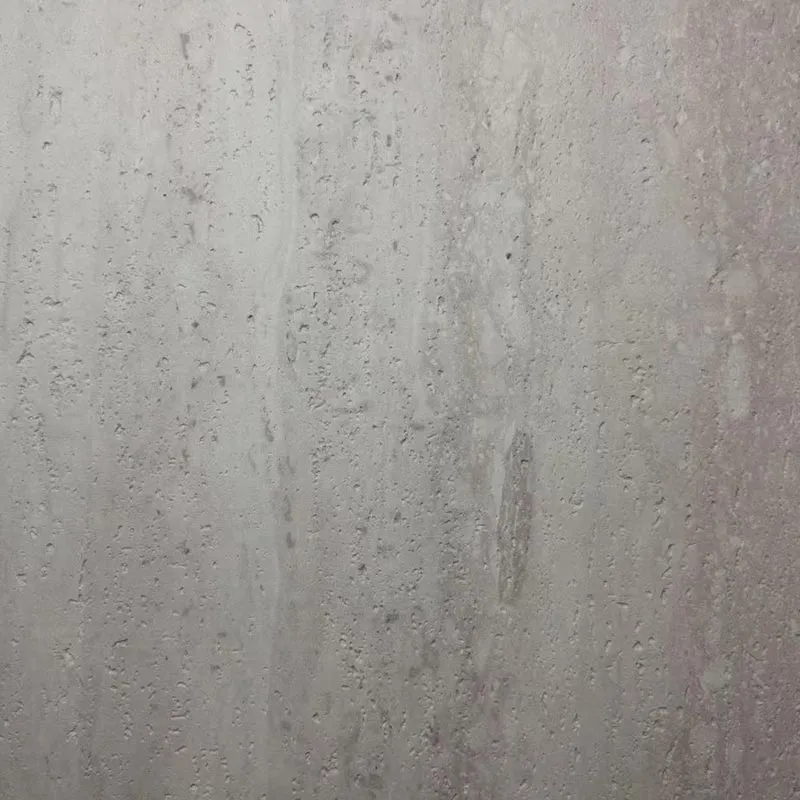
What is Sustainable Glazed Flexible Stone?
Sustainable glazed flexible stone is a composite material that combines natural stone components with sustainable practices in its production. This innovative material is designed to mimic the aesthetic and physical properties of traditional stone while offering a lighter, more versatile alternative. According to the Journal of Cleaner Production, materials like glazed flexible stone can reduce carbon emissions by up to 30% during manufacturing compared to conventional stone products (Journal of Cleaner Production, 2021). Industry experts define glazed flexible stone as a solution that integrates beauty and function while minimizing environmental impact, paving the way for greener building practices.
Key Industry Terms:
Composite Materials: Materials made from two or more constituent materials with significantly different physical or chemical properties.
Sustainability: Meeting the needs of the present without compromising the ability of future generations to meet their own needs.
Application Scenarios for Sustainable Glazed Flexible Stone
Sustainable glazed flexible stone finds applications in various fields, including:
Architecture: Used as exterior cladding or roofing, where durability and aesthetics are key.
Interior Design: Ideal for flooring, countertops, and wall finishes, providing an upscale look with reduced environmental impact.
Landscaping: Employed in outdoor spaces for paths and patios, enhancing visual appeal while maintaining functionality.
By incorporating this material into diverse projects, builders capitalize on its versatile nature while promoting sustainability.
Advantages of Sustainable Glazed Flexible Stone
The significance of sustainable glazed flexible stone lies in its numerous advantages:
Durability: Laboratory tests show that glazed flexible stone resists weathering and maintains integrity even in extreme temperatures, with studies indicating a lifespan increase of up to 50% compared to traditional stone.
Aesthetics: The materials come in a variety of finishes and colors, catering to different design preferences and allowing for creative expression in construction.
Environmental Impact: As highlighted earlier, the production of this material can lead to a 30% reduction in carbon emissions, making it a leading choice for eco-conscious builders.
Versatility: Lightweight by design, it can be easily installed and manipulated on-site. For instance, contractors report a reduction in labor costs by approximately 25% due to decreased handling time.
Next Steps: Exploring Your Options
For those interested in utilizing sustainable glazed flexible stone in their buildings, consider visiting the Soft Stone Master website for a comprehensive user guide. This guidance will help you understand installation processes, maintenance tips, and design inspiration to effectively incorporate this innovative material into your projects.
Frequently Asked Questions (FAQ)
1. What is the cost comparison between glazed flexible stone and traditional stone products? Cost studies indicate that while glazed flexible stone may have a higher initial price point, the long-term savings on maintenance and energy efficiency lead to a cost reduction of about 15% over the lifecycle of a building.
2. How does sustainable glazed flexible stone perform in terms of insulation? Research suggests that glazed flexible stone offers enhanced thermal properties, with some variations achieving insulation values comparable to energy-efficient materials, keeping heating and cooling costs lower.
3. Can glazed flexible stone be recycled? Yes, many products in the sustainable glazed flexible stone category are designed with recyclability in mind, further minimizing their carbon footprint after use.
4. What brands offer high-quality glazed flexible stone? Soft Stone Master is a reputable brand known for its quality products in the sustainable building materials sector.
Conclusion
As the construction industry continues to evolve, integrating sustainable materials like glazed flexible stone becomes essential for future building practices. This innovative solution addresses user concerns regarding both aesthetics and environmental impact, making it a compelling choice for architects and builders. Explore the potential of sustainable glazed flexible stone in your next project and contribute to a greener future.


评论
发表评论